

Winter facial skin care: professional advice from cosmetologists
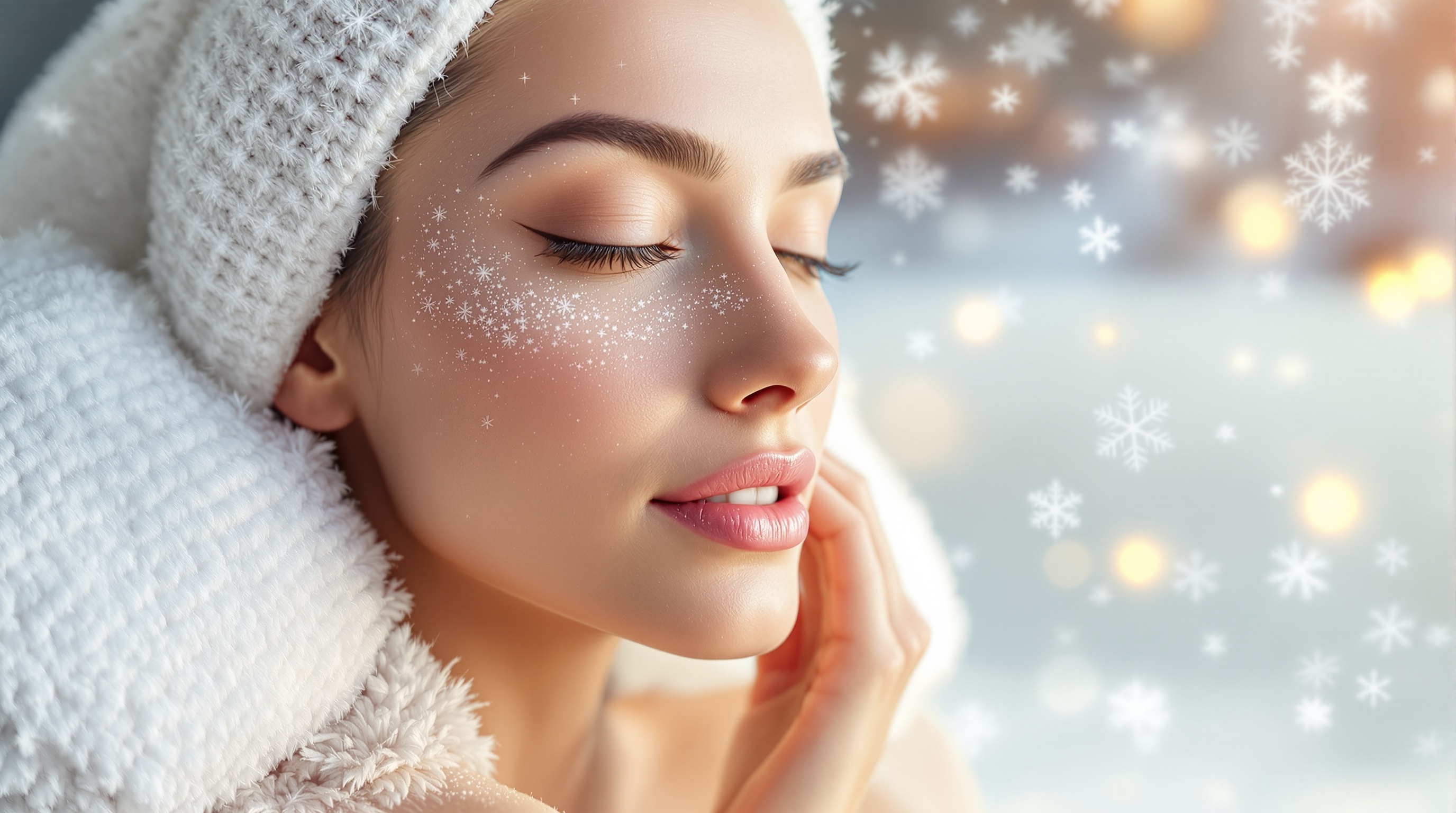
Winter is a real test for facial skin. Cold wind, frost, dry air from heating,
sudden changes in temperature – all this leads to dryness, peeling, redness and premature aging.
Natalia Mykulchyn,
dermatologist-cosmetologist
from Truskavets (Drohobytska St., 1/76),
tells you how to properly care for your skin during the cold season.
Why skin suffers in winter: a scientific explanation
In winter, facial skin is simultaneously exposed to several aggressive factors that disrupt its natural balance.
barrier and lead to dehydration. Understanding these mechanisms helps to choose the right
facial.
❄️ The main enemies of the skin in winter:
- Low temperature – constricts blood vessels, disrupts blood circulation, slows down cell metabolism
- Cold wind – destroys the lipid barrier, increases transepidermal moisture loss
- Dry indoor air – heating reduces humidity to 20-30% (standard 40-60%)
- Sharp temperature changes – going from frost to a warm room stresses the skin
- UV radiation – winter sun + reflection from snow increases the effect on the skin
- Hot drinks and food – dilate blood vessels, provoke couperose
"In winter, the skin loses moisture 3 times faster than in summer. The lipid barrier is destroyed, and the skin
becomes defenseless against external factors. That is why it is so important to strengthen care and
to contact professional dermatologist
for selecting an individual program."
– Natalia Mykulchyn,
dermatologist-cosmetologist, director of the center
🔬 What happens to the skin at the cellular level:
- Decreased sebum production (natural protective oil)
- The process of epidermal cell renewal slows down
- The synthesis of ceramides and other lipids is disrupted
- The activity of hyaluronic acid decreases
- Blood microcirculation is weakened
Typical winter skin problems and how to recognize them
Each skin type reacts to cold in its own way, but there are universal signs that signal the need for
professional skin diagnostics
and correction of care.
1️⃣ Excessive dryness and peeling
Signs: Feeling of tightness after washing, white flakes on cheeks and forehead, matte skin texture, lack of natural radiance.
Reasons: Disruption of the lipid barrier, loss of transepidermal moisture, decreased sebum production.
Decision:
Biorevitalization,
intensive moisturizing, use of nourishing creams with ceramides.
2️⃣ Redness and couperose
Signs: Red spots on the cheeks and nose, visible spider veins, increased sensitivity, burning sensation.
Reasons: Sharp temperature changes, dilation of capillaries, weakening of vascular walls.
Decision:
Laser vascular removal,
products with vitamin K, avoid overheating.
3️⃣ Increased sensitivity and reactivity
Signs: The skin reacts quickly to any irritants, burning from familiar products, and a feeling of discomfort.
Reasons: Weakening of the protective barrier, disruption of the skin microbiome, dehydration.
Decision: Mild products for sensitive skin,
mesotherapy
with soothing ingredients.
4️⃣ Wrinkle aggravation
Signs: Wrinkles become deeper, new lines appear, and the skin looks flabby and tired.
Reasons: Dehydration accentuates all lines, slowing down collagen synthesis, oxidative stress.
Decision:
Botox,
biorevitalization,
intensive moisturizing.
Professional treatments for winter care
Winter is the perfect time to spend many hardware procedures
and injection techniques,
because solar activity is reduced and the risk of pigmentation is minimal.
💧
Biorevitalization – rapid hydration from the inside
The essence of the procedure: Administration of drugs based on
hyaluronic acid
into the deep layers of the skin. The drug retains moisture in the tissues, stimulates the production of its own collagen and elastin.
✨ Effect:
- Instant feeling of hydration and freshness
- The feeling of tightness and dryness disappears
- Wrinkles become less noticeable
- The skin acquires a healthy glow
- The effect lasts 4-6 months.
📅 Recommended course: 2-3 procedures with an interval of 2-3 weeks
⏱️ Seasonality: Perfect for winter – no risk of sun
💉
Mesotherapy – nutrition and restoration
The essence of the procedure: Introduction of mesococktails with vitamins, minerals, amino acids,
peptides and antioxidants. The composition is individually selected to meet the needs of your skin.
🎯 What is included:
- B vitamins – restore the barrier, strengthen blood vessels
- Vitamin C – antioxidant, stimulates collagen
- Amino acids – building material for proteins
- Micronutrients – zinc, magnesium, selenium for protection
- Peptides – stimulate regeneration
📅 Recommended course: 4-6 procedures with an interval of 7-10 days
💰 Advantages: Comprehensive support, visible results
✨
Chemical peels – skin renewal
The essence of the procedure: Controlled removal of the upper layers of the epidermis using
acids. Winter is the best time for peelings, because there is no active sun.
🌟 Types of peelings for winter:
- Glycolic – gentle exfoliation, brightening
- Lactic – for sensitive skin, moisturizing
- Retinoic (yellow) – anti-aging, renewal
- Amygdalaceous – for problem skin
- TCA peeling – deep update
⚠️ Important: After peeling, be sure to use SPF even in winter!
📅 Course: 4-6 procedures with an interval of 1-2 weeks
🧼
Professional facial cleansing
Why is it needed: In winter, heating causes the sebaceous glands to work, but the water evaporates quickly.
This leads to clogged pores and the formation of comedones.
🔄 Frequency: Once a month to maintain clean pores
⏱️ Duration: 60-90 minutes
"Winter is the golden season for intensive treatments. The absence of active sun allows for safe
do peels, laser treatments and photorejuvenation.
The main thing is not to forget about SPF even on cloudy days!
– Natalia Mykulchyn,
dermatologist-cosmetologist
Home care in winter: step-by-step algorithm
Proper home care is the key to success. Even the best salon treatments won't work without daily support.
🌅 Morning care (5 steps)
Step 1: Gentle cleansing
Use a gentle gel or foam with a low pH (4.5-5.5). Avoid harsh soaps and hot water – this dries out the skin even more.
Step 2: Toning
Toner restores pH balance and prepares the skin for the next steps. Choose toners with hyaluronic acid, panthenol, aloe.
Step 3: Serum
In winter, serums with hyaluronic acid,
vitamin E, ceramides, niacinamide.
Step 4: Moisturizer
The texture should be thicker than in the summer. Look for: oils (shea, cocoa, jojoba), squalane, panthenol, allantoin.
Step 5: SPF 30-50
⚠️ Necessarily! Winter sun + snow glare = increased UV radiation. SPF is needed 365 days a year!
🌙 Evening care (6 steps)
Step 1: Make-up removal
Hydrophilic oil or micellar water. Thoroughly remove all traces of makeup, especially from the eyes.
Step 2: Double cleanse
A soft gel or foam for washing. Removes sebum, dust, and dirt residues.
Step 3: Exfoliate (2-3 times a week)
Mild enzymatic or acidic peeling.
Helps remove dead skin cells and improves the penetration of care products.
Step 4: Toner
Evening toner can be with more active ingredients: AHA/BHA acids (if the skin is not sensitive).
Step 5: Active Serum
In the evening, you can use more concentrated products: retinol (if the skin is not dry), peptides, antioxidants.
Step 6: Night cream or oil
A thick nourishing cream with a rich composition. You can add a few drops of oil (argan, rosehip, jojoba) for additional nutrition.
⭐ Additional care (1-2 times a week)
- Moisturizing masks – with hyaluronic acid, aloe, honey
- Nourishing masks – with avocado oil, shea, vitamins
- Eye patches – from swelling and dark circles
- Facial massage – improves blood circulation, lymphatic drainage
- Guasha or jade roller – for lifting and toning
💡 Advice from a dermatologist: Don't forget about the humidifier!
The optimal humidity in the room is 40-60%. This will help the skin retain moisture much better than any creams.
❌ Main winter care mistakes
Mistake 1: Hot water for washing
Why is it harmful: Hot water destroys the lipid barrier, dilates blood vessels, and dries out the skin.
What to do: Wash with lukewarm water (25-30°C). Finish with a cool rinse to tone.
Mistake 2: Using old products
Why is it harmful: Light gel textures do not provide sufficient protection against cold and wind.
What to do: Switch to thicker creams with oil and ceramides. Add nourishing serums.
Mistake 3: Opting out of SPF
Why is it harmful: UV radiation is present in winter as well. Snow reflects up to 80% of the sun's rays.
What to do: Use SPF 30+ every day, even on cloudy days.
Mistake 4: Neglecting hydration from the inside
Why is it harmful: In winter, we drink less water, the body becomes dehydrated, and the skin suffers.
What to do: Drink 1.5-2 liters of water a day. Add hydrating foods: cucumbers, oranges, green tea.
Mistake 5: Over-exfoliating
Why is it harmful: Frequent scrubs and aggressive peels further injure the already weakened barrier.
What to do: Limit exfoliation to 1-2 times a week. Choose gentle enzyme peels.
Mistake 6: Going out in the cold with wet skin
Why is it harmful: Water on the skin freezes, forming ice microcrystals that injure cells.
What to do: Apply the cream 30-40 minutes before going outside. Wait for it to be completely absorbed.
🧴 How to choose cosmetics for winter care
In winter, your skincare routine should be richer and more nourishing. Pay attention to key ingredients that will help protect your skin from the cold.
✅ Required ingredients in the composition:
For moisturizing:
- Hyaluronic acid – retains moisture 1000 times its own weight
- Glycerin – moisturizes and softens
- Betaine – natural moisturizer
- Aloe vera – soothes and moisturizes
- Panthenol (provitamin B5) – restores the barrier
To restore the barrier:
- Ceramides – a key component of intercellular cement
- Cholesterol – supports the structure of the lipid barrier
- Fatty acids (Omega-3, 6, 9) – nourish and restore
- Niacinamide (B3) – strengthens the barrier, reduces TEWL
- Squalane – identical to the natural skin lipid
For power:
- Shea butter – intensive nutrition, protection
- Jojoba oil – similar to sebum, regulates oiliness
- Argan oil – vitamins E, F, antioxidants
- Avocado oil – fatty acids, vitamins
- Cocoa butter – creates a protective film
⚠️ What to avoid in winter:
- Alcohol (alcohol denat) – dries the skin
- Aggressive surfactants (SLS, SLES) – destroy the barrier
- High concentrations of acids – can irritate
- Strong retinoids – without consulting a dermatologist
- Perfumes and dyes – for sensitive skin
❓ Frequently asked questions about winter care
Use SPF 30-50 every day, even on cloudy days. This will prevent photoaging and pigmentation.
Especially important after peelings
and laser procedures.
For home care – 1-2 times a week with mild products. For professional chemical peels – a course of 4-6 procedures with an interval of 1-2 weeks.
After peeling, be sure to use SPF and avoid saunas for a week.
use 1-2 times a week, always use SPF during the day. If your skin is very dry, it is better to refuse or consult a dermatologist.
dermatologist.
It can be done all year round, but winter has its advantages: there is no risk of active sun, the skin is less prone to pigmentation.
In winter, the procedure is especially relevant due to dehydration from heating. Course: 2-3 procedures with an interval of 2-3 weeks.
The result lasts for 4-6 months.
4) The air in the room is too dry. Solution: switch to a thicker cream, add serum with
hyaluronic acid,
install a humidifier, drink more water. If the problem persists, contact your
dermatologist.
Vitamin E. Apply a thick layer of nourishing balm at night. Once a week, gently exfoliate your lips (with a brush or sugar and honey).
Avoid licking your lips in the cold! For intensive care, there are special treatments with
hyaluronic acid.
don't overdo it (oily skin gets dehydrated too!). Combined: various products for the T-zone and cheeks.
Sensitive: mild products without perfumes, minimalism. For an accurate selection, make
skin diagnostics.
Do not visit the sauna after peelings, injection procedures,
with couperose. After the sauna, be sure to apply a nourishing cream and let the skin cool down before going out into the cold.
4) Serum with hyaluronic acid. 5) Thick nourishing cream. 6) You can make a moisturizing mask.
For professional recovery – biorevitalization
or mesotherapy.
if: dryness and peeling do not disappear despite care; cracks and bleeding appear; severe redness, burning, itching;
suddenly appeared acne
or the skin condition has worsened; couperose is progressing.
Natalia Mykulchyn
accepts in Truskavets (067 006 3000).
"Winter care is not just more cream. It's a comprehensive approach: the right cleaning,
intensive hydration from the inside and outside, protection from aggressive factors, support with professional procedures.
Come for a consultation, and we will select an individual program just for your skin!
– Natalia Mykulchyn,
dermatologist-cosmetologist, director of the center
❄️ Prepare your skin for winter professionally!
Sign up for a consultation at dermatologist-cosmetologist Natalia Mykulchyn
in Truskavets. We will hold skin diagnostics,
We will select an individual care program and procedures for your skin type.
📍 Truskavets, Drohobytska St., 1/76
📞 067 006 3000
Call or write to messengers!
 English
  Українська
  Polski